When you’re comparing cosmetic dentistry offices, the real difference often shows up after you share your information—what the team documents, who reviews your records, and how they turn findings into a clear plan you can understand. For patients considering Randy G. Raetz, DDS, PLLC in Rochester, these questions help you evaluate fit in a way that’s fair and specific.
Public details point to a practice serving Rochester patients since 2004, with an emphasis on imaging technology (including intraoral cameras and digital imaging) and a one-on-one approach. The office lists (585) 473-1550, 2273 S Clinton Ave #1, Rochester, NY 14618, and an official website at https://drrandydds.com/. Use the items below to confirm what that means for your visit.
1) “Who actually evaluates my case—and when?”
Cosmetic dentistry consultations can vary: sometimes the person who greets you is not the same person who performs the evaluation. Ask who reviews your records and imaging, and whether that clinician personally discusses the plan with you. You’re looking for clarity: a named evaluator, not a handoff.
2) “What records do you want before the appointment?”
Ask what they prefer you bring (or send) ahead of time—recent X-rays, intraoral photos, a list of goals, and any prior dental records. If you’re starting from scratch, ask what imaging they will do during the visit versus what you should gather beforehand.
3) “Which imaging or camera views will be used?”
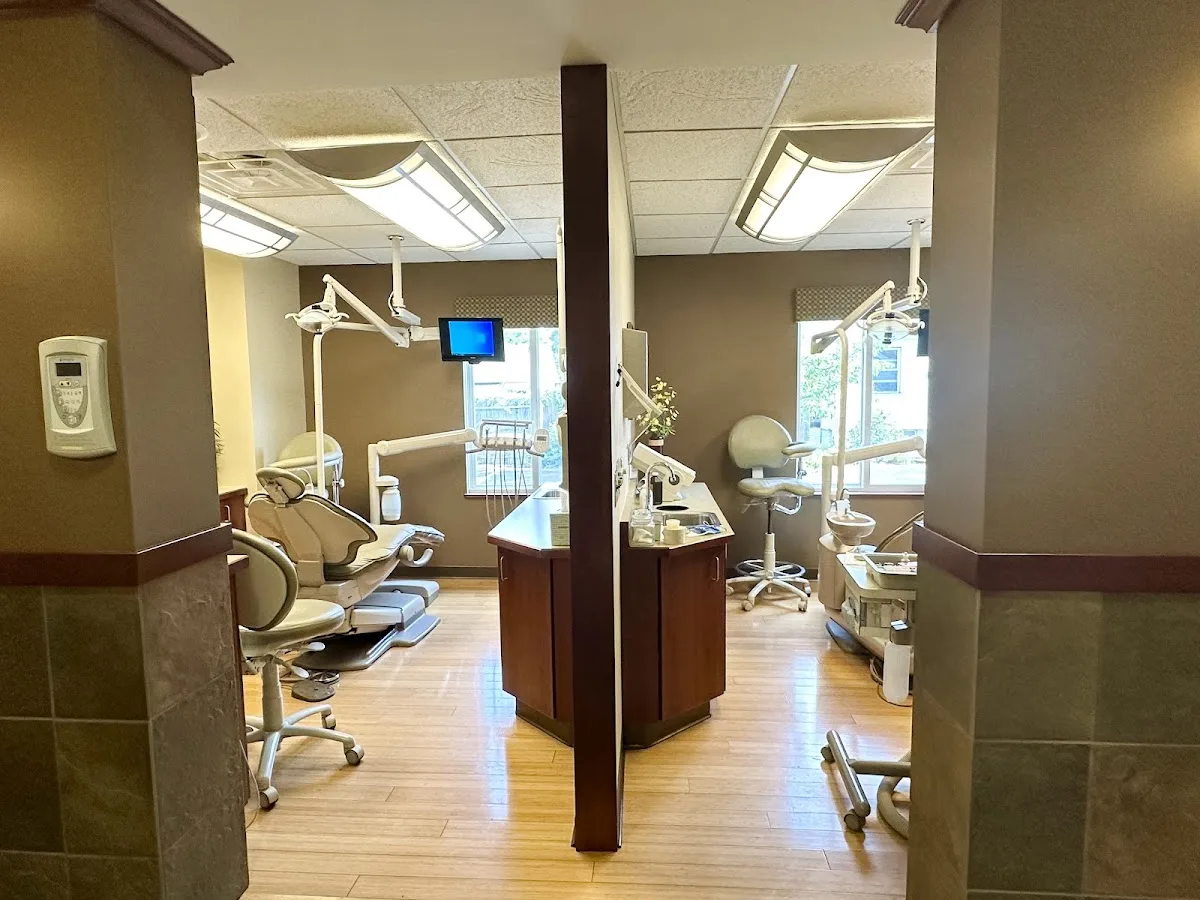
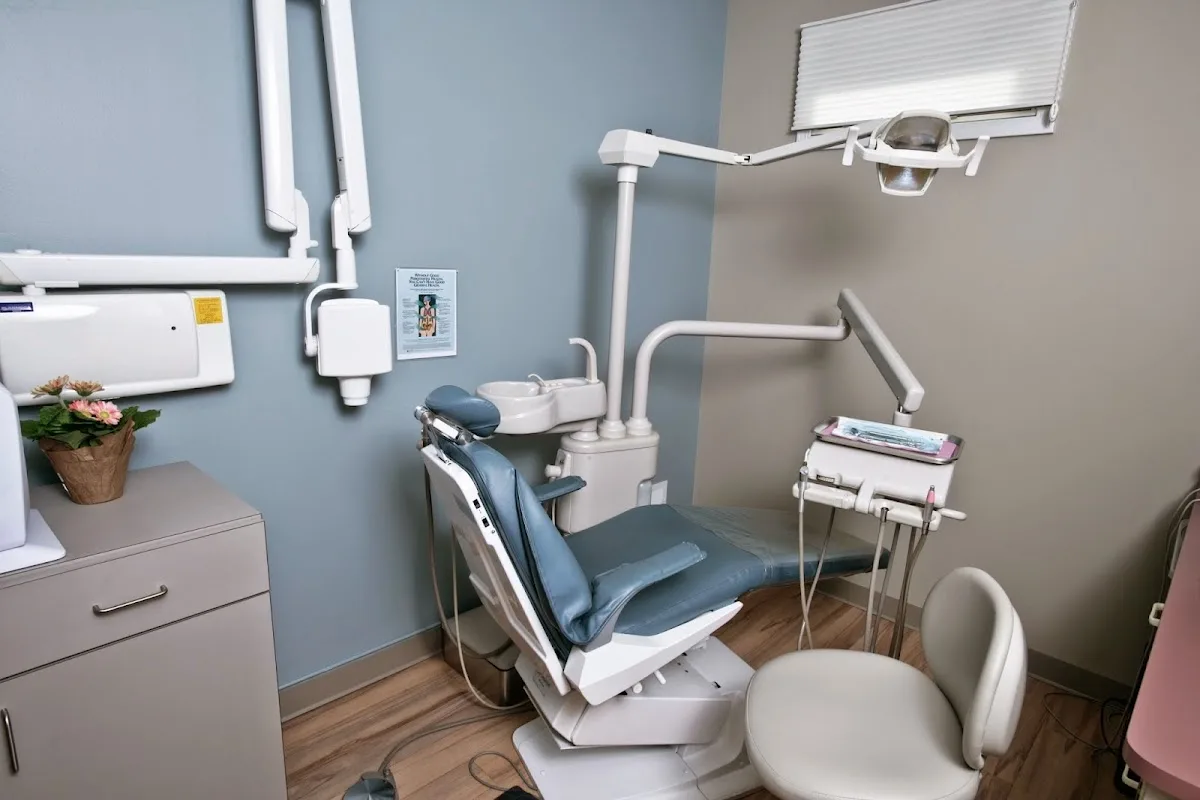
Randy G. Raetz, DDS, PLLC’s website highlights intraoral cameras and digital imaging equipment to detect issues early. In your call, confirm what that looks like for your goals: will they capture baseline images at multiple angles, and will those visuals be used to explain options and limitations?
4) “How do you translate findings into a step-by-step plan?”
Instead of asking only what procedures they offer, ask how your plan is structured. For example: do they document findings, then map options to outcomes, timelines, and any prerequisites? A strong consultation makes the “records → plan” connection obvious.
5) “What does ‘cosmetic’ mean in-scope for my situation?”
“Cosmetic” can be broad. Ask what they will (and won’t) focus on for a first visit. If your goal involves appearance, function, or bite considerations, ask how they handle those connections—especially whether the conversation starts with oral health context or with aesthetic preferences first.
6) “What are the boundaries of the consultation?”
Clarify what you’ll leave with on the day of the appointment. Will you receive a written or clearly summarized plan? Will they discuss next-step scheduling options, or is the visit designed mainly for assessment and recommendations? Your aim is to understand what “done” looks like after that first visit.
Ask about documentation you can review
Good fit often means you can revisit the information later. Ask whether you get copies of key images or a summary of findings, and whether your plan references those visuals.
7) “What should I ask about timing, budget, and decision points?”
Since cosmetic planning can involve multiple steps, ask what decision points matter most—where choices are made, what changes them, and how you should prepare. Even when exact pricing isn’t available over the phone, you should be able to ask what factors affect cost (for example, the level of work involved, materials selected, or the number of visits).
A simple way to judge fit before you book
After your conversation, you should be able to summarize three things: who evaluates your case, what imaging/records are used to document findings, and how those findings become an understandable plan. If those answers feel vague, consider asking for a more structured explanation before scheduling.
If you want to confirm availability and what they require for your specific goals, call (585) 473-1550 or review the practice’s information on drrandydds.com. Treat the consultation as a planning session, not just a recommendation—because that’s what turns “cosmetic interest” into a grounded, actionable next step.