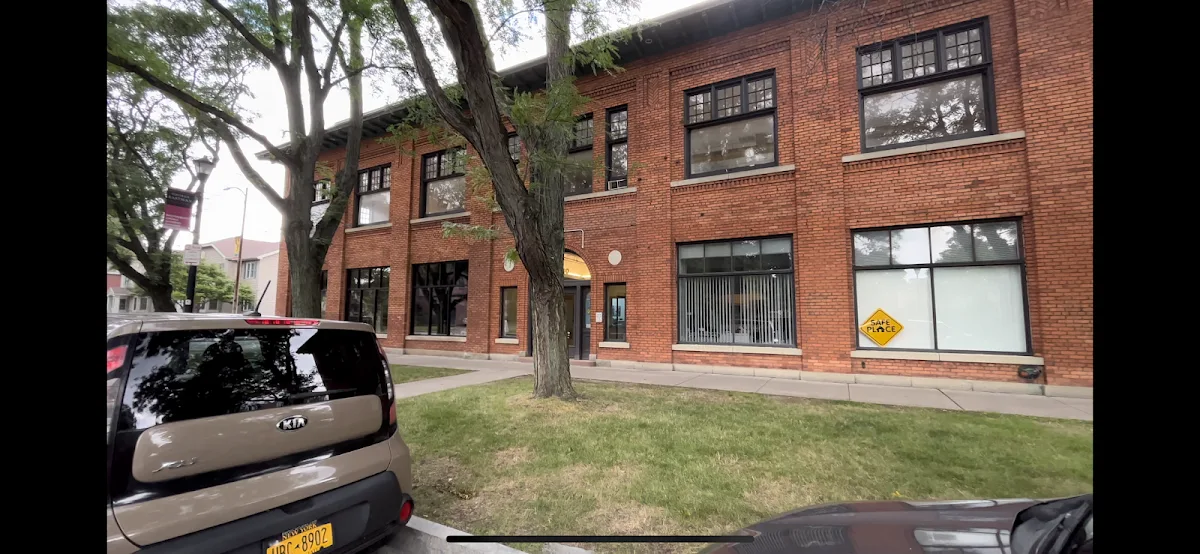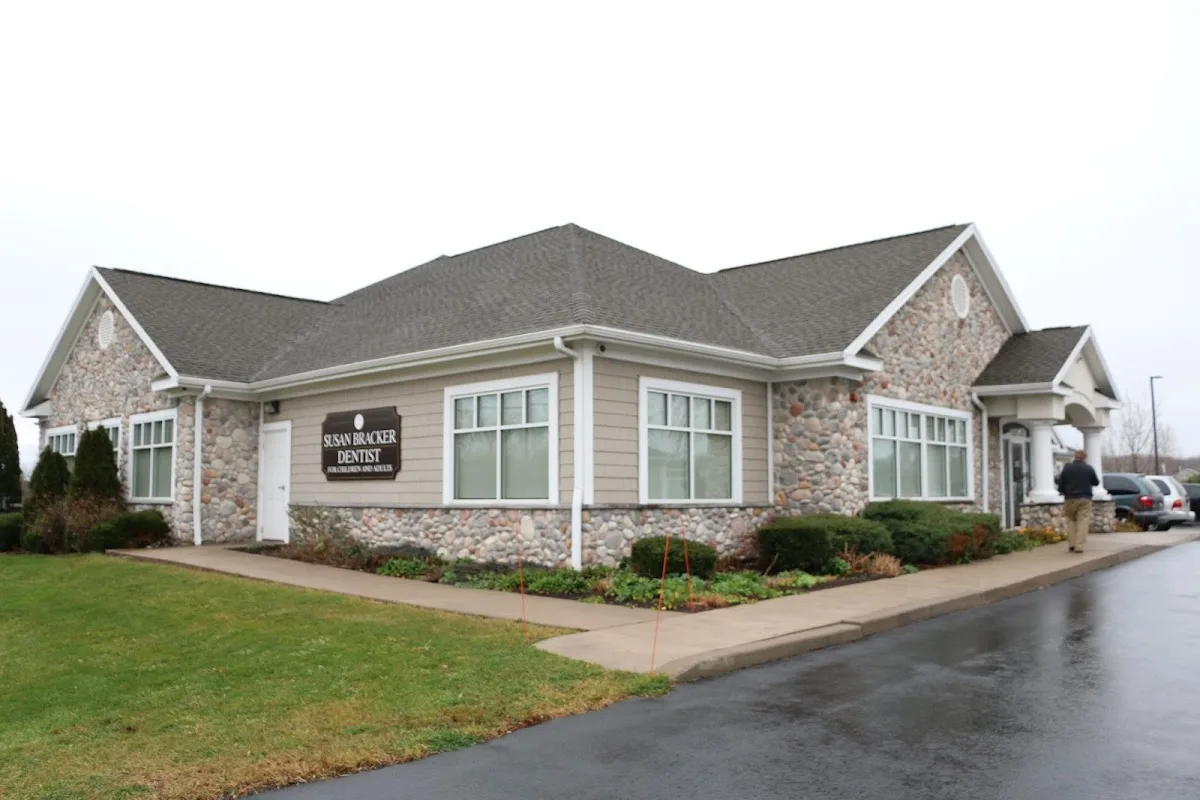
Choosing a cosmetic dentistry provider is easier when you anchor the decision to what the office can document and how that documentation becomes a plan. If you’re looking at Silver Maple Dental in Rochester, NY, use this record-to-plan guide to validate the details you can confirm before you book.
To keep your decision grounded in verifiable info, note the practice’s public details: a 4.9 rating from 543 reviewers, location at 1768 Creek St, Rochester, NY 14625, and phone (585) 381-2600. Silver Maple Dental also lists its public scheduling path via an official schedule form: https://www.silvermaplerochester.com/schedule-form.
Lead with the “records-to-plan” question
When a practice offers cosmetic dentistry, the next step isn’t just what services they list—it’s what they can document in a way that supports your plan. Call or ask during scheduling: “What will you document in my appointment that you can use to create my cosmetic plan?”
The best answers explain what’s captured during your visit (for example, exam findings and written notes) and how you’ll receive the outcome in a way that connects to next steps. Avoid offices that respond with vague promises without describing the documentation workflow.
Confirm who evaluates you and who explains options
Cosmetic dentistry decisions should flow from consistent clinical input. Ask who will evaluate you (for example, whether the doctor or another team member leads the evaluation) and whether the same clinician who reviews your records also discusses your options.
Ask for consult boundaries, not just service names
Instead of only asking “Do you do veneers or whitening?”, ask boundaries around the visit: “What is included today, and what is typically handled at a follow-up?” This helps you understand whether the first visit is mainly evaluation and documentation, and what triggers moving from consult to next steps.
Make your goal match their planning workflow
Many patients come with a clear desire—improved appearance, a specific cosmetic concern, or a change in how teeth look. The practical fit question is whether the office can translate your goal into a documented plan you can review.
When you call, state your priority plainly, then ask: “How will my records be used to explain options and tradeoffs?” If your goals change after the exam, you can also ask how the office handles that adjustment, such as: “If you find something different than what I expected, do you update the plan in writing, or do you redirect me to a different appointment?”
Validate logistics: appointment flow and follow-up timing
Because cosmetic work often depends on clear documentation and consistent follow-up, it’s worth confirming the workflow before you arrive. Use the practice’s public scheduling path—https://www.silvermaplerochester.com/schedule-form—to compare availability, then confirm the process at booking.
Ask these logistics questions:
- “What should I bring or complete before my visit?”
- “When will I get a written summary of what you documented and the next steps?”
- “If I need an additional appointment, how is the timeline handled?”
Use public signals as a starting point—then validate directly
A strong public rating can help you shortlist, but it can’t replace a direct fit check. For Silver Maple Dental, the public signals you can reference include the 4.9 rating from 543 reviewers plus the contact details above.
Your decision should hinge on answers to the records-to-plan questions: what gets documented, who discusses options, how the plan is communicated, and how follow-up is scheduled. If you hear clear, consistent explanations, that’s a good sign the office has a repeatable planning process. If answers feel generic or inconsistent, keep asking for clarification—because the quality of the records-to-plan communication matters as much as the services on the menu.