Choosing a dental office for a cosmetic-and-implant goal is easier when you can predict the “decision trail” from the first appointment to the next steps. For Todd E. Shatkin, DDS in Amherst, that means asking for concrete evidence—what they documented, what they measured, and how they translate exam findings into a written plan and estimate before any major work begins.
On publicly available information, the practice lists a 4.9 rating based on 740 reviews and provides an appointment request channel through its patient portal. The phone number is (716) 839-1700 and the address is 2500 Kensington Ave, Amherst, NY 14226—so you can contact them directly and ask the exact questions below without relying on vague promises.
Start with what the office can document on Day 1
A decision-ready implant consult should produce more than an opinion. In the real world, patients often leave with questions about scope, timing, and “what’s included.” Before you schedule or continue, confirm what you will receive from the first visit:
- A summary of findings (what the clinician saw and why it matters for implant planning)
- Any imaging results connected to the recommendation (not just “we’ll decide later”)
- A written estimate or cost breakdown for the steps they are recommending
If the conversation stays mostly verbal or the numbers feel uncertain, treat that as a red flag. You are not trying to rush work—you’re trying to prevent surprises.
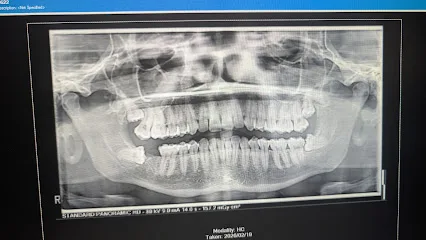
Ask how imaging and exam results connect to the proposed plan
Implant planning is highly case-specific, and a strong consult explains the “why” behind the treatment sequence. When you speak with Todd E. Shatkin’s team, ask how their exam and imaging results connect to the recommendation. For example:
- Which findings are considered the primary drivers of the implant plan?
- What measurements or landmarks are being used to reduce guesswork?
- What parts of the plan are finalized at the consult versus what might change after additional review?
This kind of clarity helps you evaluate whether the recommendation is grounded in your specific situation. It also makes it easier to compare options across providers without relying on marketing language.
Confirm scope: what’s done in-house vs. what needs coordination
Even when a practice focuses on implants, some steps may involve coordination—whether for records, specialty input, or additional procedures. The key is transparency. Ask the office to spell out:
- Which services are handled directly by the practice team
- What must be coordinated with other providers and why
- How the office will communicate changes if the plan evolves
Patients often discover later that “included” procedures are not actually included, or that timelines depend on outside scheduling. Getting the boundaries in writing is one of the best ways to keep your plan decision-ready.
Use the appointment channel to request a written estimate before major work
For Todd E. Shatkin, DDS, the patient appointment request site is listed publicly as part of the Aesthetic Associates Center patient experience. You can use that channel—or call (716) 839-1700—to ask whether they provide a written estimate before any major work starts. A good response should answer two things:
- What is included in the estimate (and what is not)
- What would trigger changes to the estimate (and how you would be informed)
If you can confirm these details early, you reduce the risk of misunderstanding later.
Match the experience to your priorities—communication matters
Finally, consider whether the consult style matches how you prefer to make decisions. A practice can have excellent clinical outcomes and still fall short on communication. Look for whether the team explains tradeoffs, uses understandable language, and gives you enough time to ask follow-up questions. With a 4.9 rating based on 740 reviewers publicly listed, you can also ask how the office maintains that consistency—especially for implant-related planning where coordination and clarity are essential.
Before you commit to an implant pathway, request the paper trail: documented findings, connected imaging explanations, and a written plan with cost transparency. Then decide with confidence.