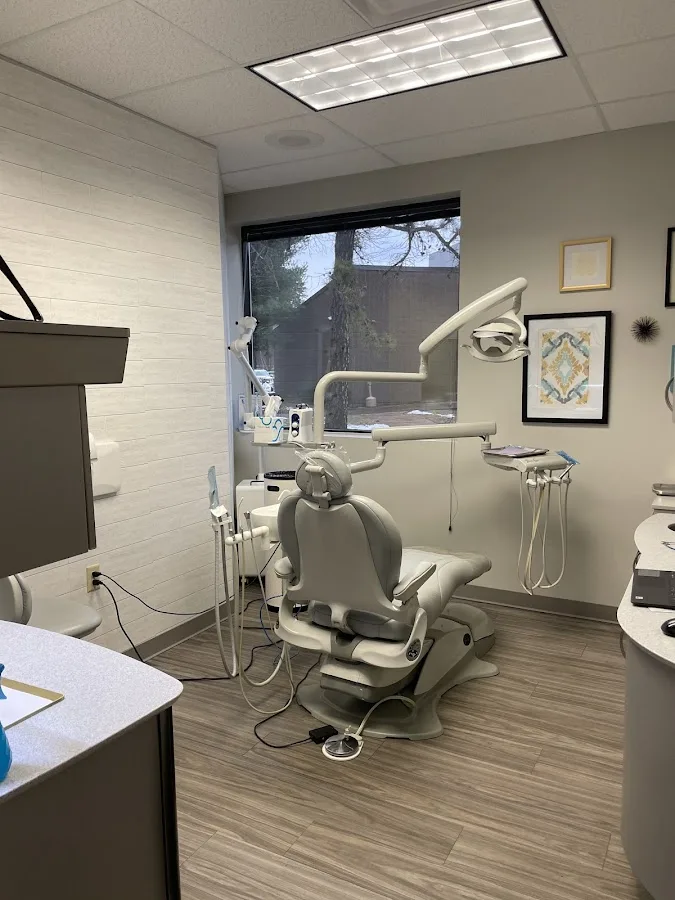
Choosing an office for cosmetic dentistry should feel practical: you want a plan you can repeatably explain, a schedule that matches your timeline, and contact information that works when you need it. For Queens Long Island Dental Care in Valley Stream, NY, the most useful preparation is knowing what to ask in the first conversation and which details to confirm before you commit your time.
Start with verifiable contact details (so you can actually book)
Before discussing treatment specifics, verify the channels the practice expects you to use. Public listing details for Queens Long Island Dental Care include the address 260 Sunrise Hwy Suite 201 2nd Floor, Valley Stream, NY 11581 and phone (516) 341-7300. The practice also uses an official appointment scheduling page at https://qlidental.meetkasper.com/schedule-appointment.
It’s a small step, but it reduces friction later. When you call or book online, ask a direct question: “What is the next available visit type for a cosmetic dentistry consultation?” If they route you to an intake form or a different scheduling path, write down what you were told so your follow-up question is consistent.
Clarify what “cosmetic dentistry” means for your specific concern
Many people hear “cosmetic” and assume a single category of work. In your first appointment conversation, request a concrete scope statement. For example, ask them to describe the objective they will try to address (appearance, alignment-related concerns, discoloration, or restoration planning) and how they would document that objective during the visit.
If the clinic uses specific terminology, ask for plain-language translation: “What does that term include at your practice?” This is also the time to confirm whether your request is primarily consult-driven (planning and documentation) or whether it may involve multiple stages. A clear explanation is more helpful than reassurance.
Ask for “who does what” across the stages of your care
Cosmetic dentistry frequently involves more than one step—from assessment to planning to the work itself. Your goal is to protect your time by understanding roles early. Ask: “Who performs the exam, who creates the plan, and who delivers the treatment stage we’re discussing?”
Even if the answer is simple, listening for consistency matters. You should be able to summarize their workflow back to them. If your plan depends on a later appointment for a specific stage, ask how they schedule that second step and whether you can align it with your availability.
Use the reviews as a starting point, not the full decision
Public signals for Queens Long Island Dental Care include a 5.0 rating based on 314 reviewers. Reviews can help you anticipate general patient experience and responsiveness, but they can’t confirm clinical fit for your specific cosmetic goal.
Use reviews to decide what to probe. For instance, if you see comments about communication or appointment flow, ask your own version of that question on the phone: “How do you handle questions between the consult and the next step?” You’re testing whether the experience described in reviews matches how your case would be managed.
What to bring to make your consult more efficient
To get an outcome you can plan around, prepare a short “visit brief.” Bring a list of your top cosmetic concerns, any photos you’ve taken for personal reference, and a summary of any questions you want answered. If you’ve tried over-the-counter whitening products or other cosmetic approaches, mention that so the clinic understands what’s already been attempted.
Because your first goal is verifying fit, avoid expecting an overnight answer. Instead, ask what decisions will be made at the consult and what documentation you’ll receive that you can reference later.
Make your scheduling call count with 3 targeted questions
When you reach (516) 341-7300 or use the official booking page, keep the conversation focused. Ask: (1) “What consult type should I schedule for my cosmetic dentistry concern?” (2) “Who will be responsible for each stage of the plan?” and (3) “What information should I confirm before the next appointment?”
With those answers in hand, you’ll be able to compare the proposed plan against your timeline—without relying on assumptions.