Choosing a cosmetic dentistry office is easiest when you can confirm a few “baseline facts” before you commit. For Family And Cosmetic Dentistry in Albany, NY, public listing signals include a 3.7 rating from 125 reviewers, a street address reference of 756 Madison Ave, Albany, NY 12208, and a contact number of (518) 427-2808. The clinic also lists an official scheduling page at https://www.familyncosmeticdentist.com/patient-information/scheduling/. Since appointment processes and accepted services can change, the goal of this guide is to help you ask the right questions in a way that clarifies scope, planning, and fit.
Start with the “records-to-plan” workflow
In a good first visit, the office should explain how your information becomes a written plan—not just a list of options. Ask what they need from you before the appointment (for example, recent X-rays or prior records) and who reviews them. A useful question is: “After my records are reviewed, what documentation will I receive, and who will explain it?” If the answer is vague, that’s a sign to request specifics about what you will be shown and who makes the final recommendation.
Clarify imaging and how it changes the scope
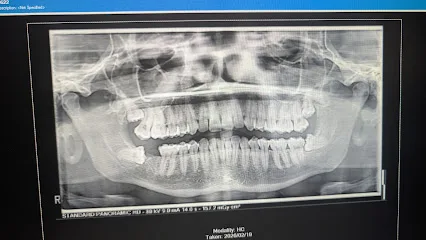
Cosmetic dentistry often relies on more than appearance alone; it can involve measurements, photos, and diagnostic imaging. Ask what imaging is used at the consult and whether they take new records on-site or primarily use what you bring. Then ask a direct follow-up: “At what point does the imaging affect what you consider in-scope for me?” The most patient-friendly offices can connect diagnostics to decisions without overpromising outcomes.
Make “scope” concrete: what’s included vs. what’s excluded
Many patients leave consultations with more questions than answers because the plan wasn’t defined in plain language. Before you leave, confirm what your visit covers. For example, you can ask whether the appointment includes an evaluation only, a preliminary treatment recommendation, and/or a discussion of possible materials or approaches. If you’re considering cosmetic work, request clarity on what the office will and will not recommend at that first stage, and what triggers moving from conversation to treatment planning.
Understand the scheduling path and practical timing
Scheduling details matter for patient readiness and for making sure your consultation is actually productive. Use the clinic’s listed scheduling page as a reference point, but also verify expectations by phone: “What documents should I bring, and how long should I plan for the consult?” If the team uses online appointment requests, ask how long responses typically take and whether they confirm specific appointment types (consult vs. follow-up). If you have time constraints, ask whether they can accommodate a consult format that fits your schedule.
Ask about communication and next steps
Good fit also shows up in communication. Ask how the office shares the plan after the visit (in writing, in a patient portal, or by follow-up call), and what the next step looks like if you decide to proceed. If payment or financing is discussed, ask for the details in a way you can compare—what is estimated, what is finalized, and what could change based on updated records.
Family And Cosmetic Dentistry’s public profile provides a starting set of facts, including the (518) 427-2808 phone number and the 756 Madison Ave address reference. Use those as your anchors, then test the consultation fit by asking how records become a plan, how imaging guides scope, and how the scheduling process supports a clear next step. That approach helps you avoid consultations that feel like marketing and instead leaves you with actionable information you can compare.