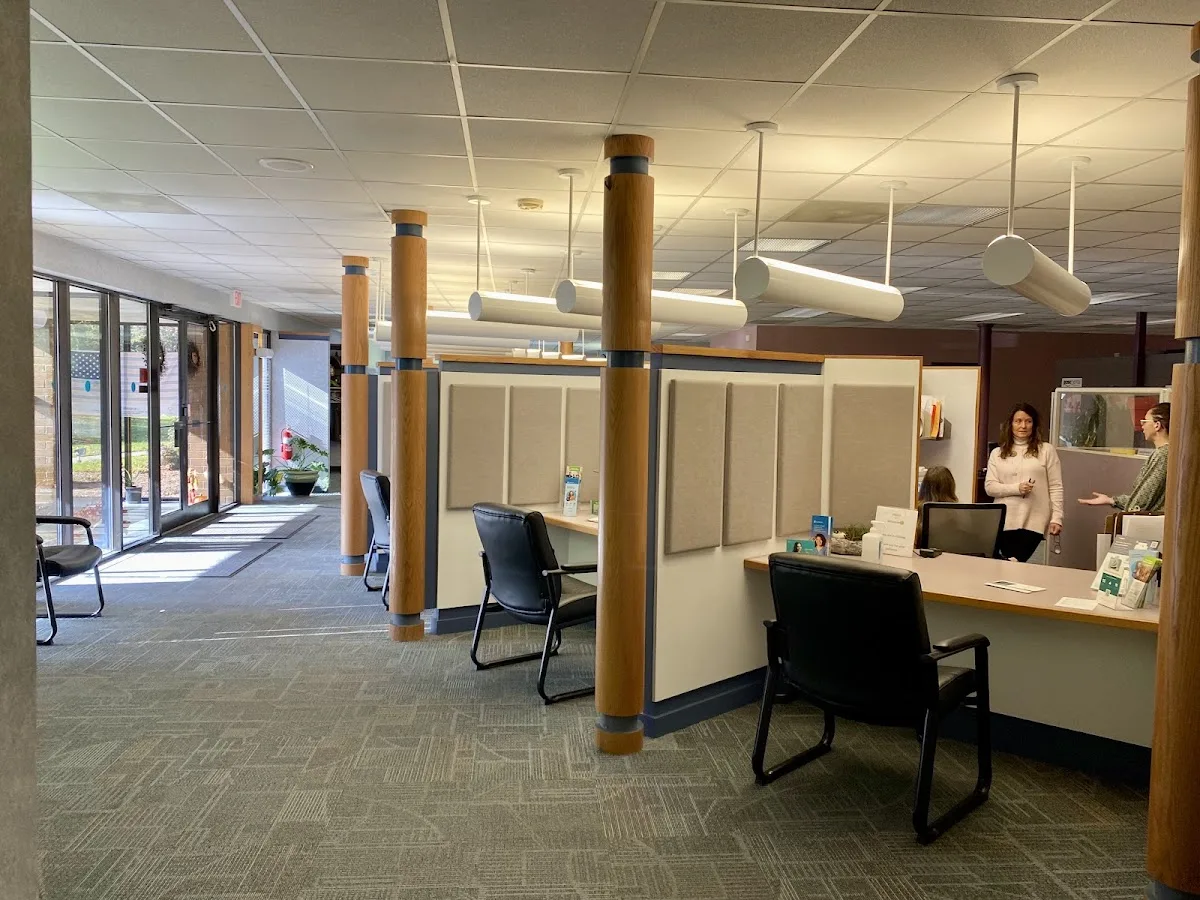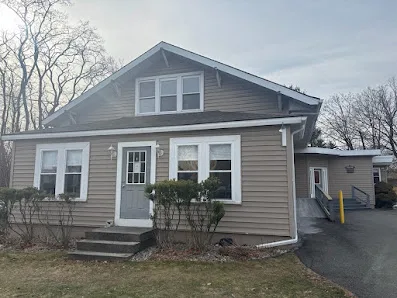
Choosing a restorative care provider is easier when you translate an online listing into a few checkable visit facts. For DeSanti & Linden Dentistry in Albany, NY, the public signals you can verify right away include the clinic location, phone number, and the restorative care services they describe on their website. The goal is simple: make sure the consult you book matches what you need before you commit time (and records) to a plan.
Start with the “right-office” confirmation
Before you schedule, confirm that you’re reaching the same practice tied to the restorative care services page you found online. Public details for DeSanti & Linden Dentistry include an address at 554 Sand Creek Rd, Albany, NY 12205 and a phone line at (518) 869-5397. If you call, ask them to confirm they’re the same office as the restorative care page you reviewed.
Use the restorative care scope as your first fit filter
On the practice’s restorative care page, the office describes restorative dental services as options designed to repair teeth damaged by decay or injury—emphasizing that preserving the natural tooth is often the ideal outcome when possible. That framing can be helpful when you’re deciding whether the visit should focus on preserving a tooth versus planning replacement options.
For example, the same page places several categories under restorative care, including restorations that range from fillings to crowns, root canal therapy, and tooth extraction with replacement pathways. It also notes that when teeth are too severely damaged to be salvaged, extraction may be necessary, with the office stating that simple extractions can be performed in-office while more complex surgical extractions are referred to an oral surgeon.
What to clarify if you’re comparing “preserve vs replace” conversations
If your situation involves a damaged tooth, ask how the consult will approach “preserve first” versus “replace if needed.” You can ask the front desk or the clinician: what information do you want from me (imaging, dental records), and what decision points determine whether a restorative approach can be used versus extraction and prosthetic options?
Match your goals to the replacement options mentioned
The restorative care page also outlines next-step replacement options, describing tooth replacement solutions after tooth loss or extraction. It references fixed bridge options for replacing one tooth or a small number of teeth, and it discusses dental implants as prosthetics used to replace missing teeth—contrasting implants with other prosthetics like bridges or dentures. It also discusses removable complete or partial denture options when more teeth are involved.
This doesn’t mean every patient is a candidate for every option. It does mean that during your consult, you should expect a structured conversation about which replacement pathways (if any) fit your situation. A useful question to ask is: what restorative or replacement categories are most appropriate for my case based on the records you receive?
Confirm how the office handles root canal therapy questions
Because the office includes root canal therapy within its restorative care description, it’s worth confirming how they explain the process during a consult. The restorative care page states that root canal therapy involves removing infected pulp material and cleaning the pulp chamber to eliminate lingering bacteria, and it also addresses patient concerns by comparing discomfort to having a cavity filled.
During your visit, you can ask for plain-language expectations: what symptoms should improve after treatment, what follow-up is typical, and what records or imaging support the plan.
Why the “details you can verify” matter
Even when the website scope sounds relevant, real fit is about how the consult is run. DeSanti & Linden Dentistry has a public rating signal of 4.9 from 235 reviewers, which may help you decide who to prioritize—but the more important step is to make sure the clinician’s recommendations align with your goals, timeline, and the restorative options discussed publicly.
Bring a short list of records and questions
To keep the appointment productive, ask what you should bring before the visit. Common items include recent dental X-rays, a list of prior treatments, and a brief explanation of what prompted the concern. Then, go in with targeted questions tied to the restorative categories they describe: whether your situation appears to require restorations (such as fillings or crowns), whether root canal therapy is being considered, and—if extraction comes up—what type of extraction might be needed and whether any referral is expected for surgical cases.
If you confirm the right office details up front and use the website’s restorative care scope as a fit filter, your consult is much more likely to translate into a clear, decision-ready plan.