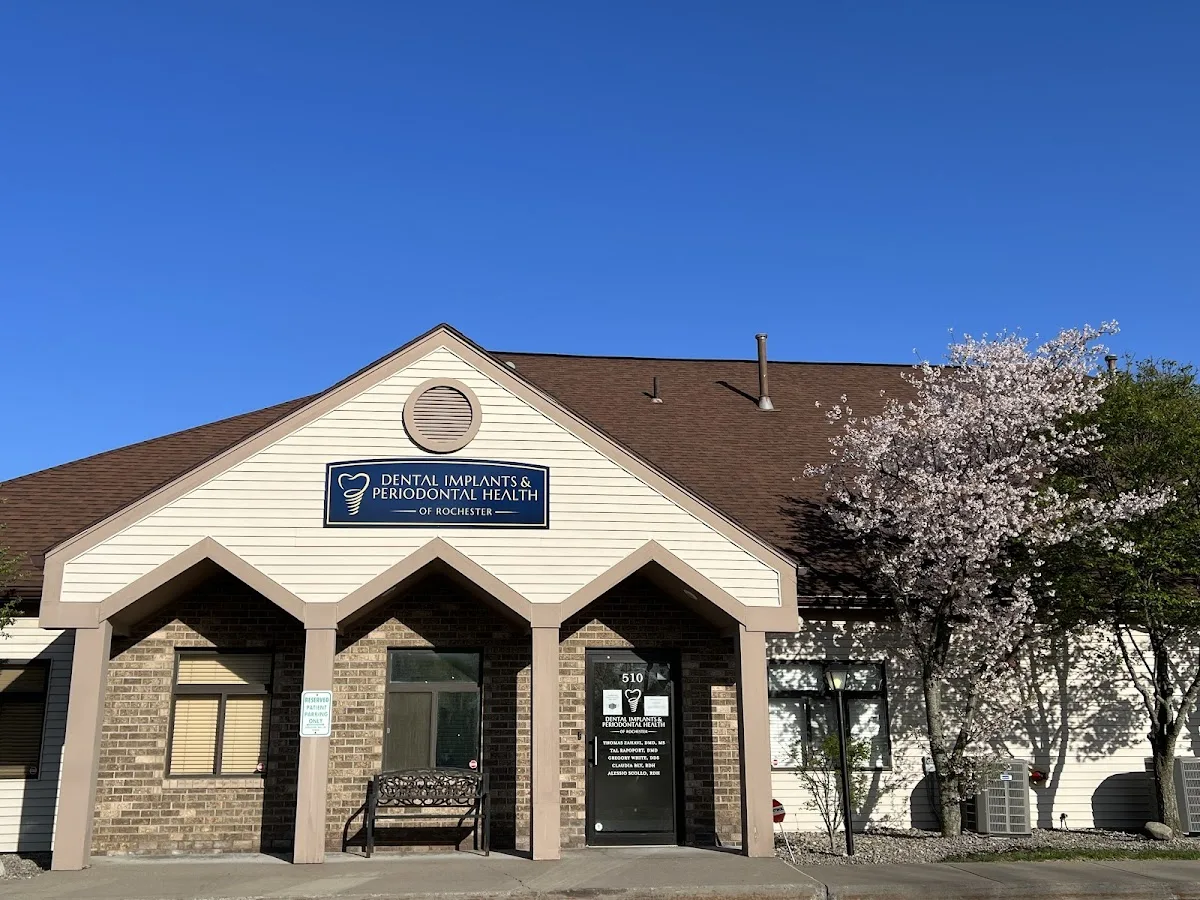
When you’re evaluating a dental implant plan, the difference between a meaningful consult and a generic overview is whether you can trace the decisions back to periodontal health, not treat it as a separate conversation. For Dental Implants & Periodontal Health of Rochester, the clinic’s positioning centers periodontal care alongside implant planning—an approach that matters when you want your case treated as one connected plan.
The clinic also clearly ties its work to a specific practice identity. They list Dr. Zahavi as a board-certified periodontal surgeon, and they describe coordinating implant care with your restorative dentist as part of diagnosis and treatment planning. Their listed services include dental implants and periodontal-focused care, reinforcing that the consult should blend periodontal needs into implant timing rather than adding them later.
For reference when you’re confirming you’re speaking with the correct team, the practice lists 1815 S Clinton Ave, Building 500, Suite 510, Rochester, NY 14618 and phone number (585) 684-8421. Use those details to ensure your appointment aligns with the periodontal-implant planning approach described online.
What to listen for when periodontal findings are actually driving implant decisions
A strong consult should translate periodontal assessment into the plan you’ll live with—especially the implant timeline. Instead of asking only whether your gums are “healthy,” ask how the clinic uses the findings to determine what comes next in your treatment.
In practical terms, you want to hear record-based reasoning: how the office evaluates the tissues supporting your implant sites and how those findings affect the plan’s sequencing. The goal is not to collect information—it’s to see periodontal logic reflected in the implant timeline you’re being offered.
- Which records are reviewed to assess your gums and supporting tissues around your implant sites
- What the treatment plan documents and how decisions might change if findings differ
- How periodontal findings shape sequencing for your implant steps
Coordination should sound like shared planning, not handoffs
Dental implant care often requires collaboration, and this practice’s public messaging emphasizes coordination with your restorative dentist for diagnosis and treatment planning. During the consult, it’s reasonable to ask for clarity on who is responsible for periodontal-led planning versus restoration-related decisions.
You should be able to follow the logic: periodontal evaluation and implant planning steps that support tissue health are part of the periodontal side of the process, while restoration planning connects back to how implant position and timing support the final prosthetic outcome. If the office can’t explain how coordination works, the consult may be spending more time on general statements than on how your specific case will be managed.
Maintenance and follow-up belong in the decision-making conversation
Implants aren’t “one and done,” and the consult should reflect that by building periodontal maintenance and follow-up into the overall plan. Instead of treating maintenance as an afterthought, ask how the clinic structures follow-up after the surgical steps and how periodontal maintenance is integrated into long-term strategy.
This practice references regular periodontal maintenance appointments, so you should expect that to be addressed as a real commitment—not just a recommendation you’ll remember later. The consult should help you understand what maintenance involves in practice and how it relates to keeping the tissues that support your implants healthy over time.
- What follow-up visits are planned after the surgical steps
- How maintenance is integrated into the long-term strategy
- What changes or symptoms would prompt earlier contact
Keep the consult specific: ask questions tied to your records and timeline
If you want to reduce generic, marketing-style answers, bring a small set of targeted questions and ask for direct, case-related responses. Questions that usually surface whether the periodontal-implant approach is truly coordinated include:
- What records will you use, and how will they guide the plan for my periodontal and implant needs?
- How do periodontal findings affect implant sequencing for my case?
- How does your team coordinate with my restorative dentist?
- What does maintenance look like after treatment, and where does it fit in the overall timeline?
When these points are explained clearly, the plan becomes something you can evaluate now—and revisit if your situation changes. If you’re considering an implant consultation in Rochester, start by using the practice’s public contact details to confirm availability and align on whether their periodontal-implant process matches both your gum health needs and your restorative goals.