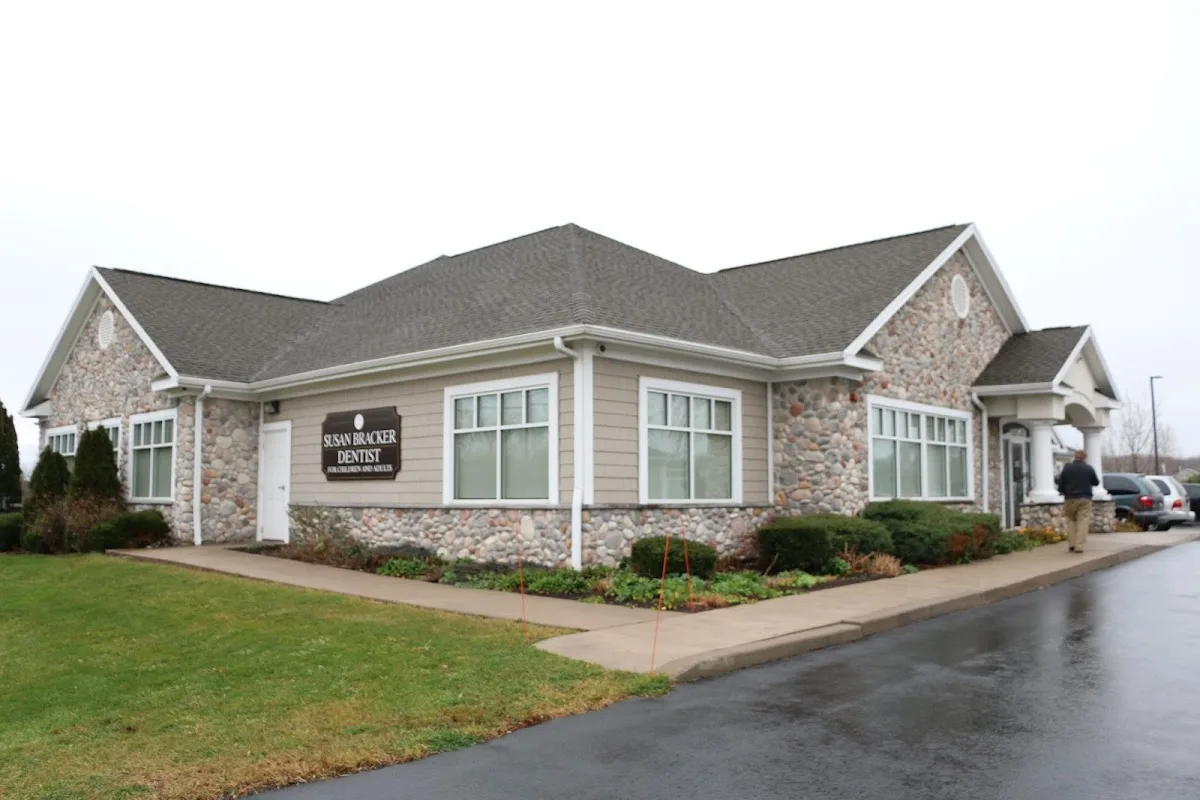
Choosing an orthodontic office is easier when you can verify the basics in the same way every time: location details that match, a consistent process for your initial visit, and clear answers about who will provide care. For All Smiles Dental Spa in East Meadow, NY, there are a few concrete starting points you can confirm right away, including 4.9 stars from 261 reviewers, the phone line (516) 934-0222, and the address 2322 Hempstead Tpke, East Meadow, NY 11554.
Because Invisalign planning and orthodontic decision-making can involve several steps, the best question is not “Do you treat Invisalign?” but “Can you explain your plan, numbers, and next appointments in a way that I can repeat and double-check?” This guide focuses on what to verify before you commit time and expectations.
1) Confirm that the Invisalign “package” matches your case goals
Many patients contact an office because of a visible aesthetic concern, but orthodontic outcomes depend on measurements, bite considerations, and treatment design. When speaking with the team, ask how they describe Invisalign for your situation—specifically what they will evaluate during the first phase. If your conversation stays at a high level (“it’s customizable” or “it’s clear”), that’s a sign to request specifics.
As you verify details, use your first call as a checkpoint: do they explain what they will measure, what factors may affect aligner timelines, and what “success” looks like in their documentation? Also ask whether different Invisalign-style plans exist at the practice or whether every patient follows the same general pathway.
2) Verify who you’ll actually see and who manages your plan
Invisalign treatment often includes clinician time, follow-ups, and decision points as aligners progress. Before you book, ask for the roles involved: who performs the clinical exam, who reviews imaging, and who confirms the revised plan if something changes. You can request a simple description of the workflow—who does what, and when.
Even if the office experience is described as “spa-like,” treatment management still needs clinical consistency. Try to get answers in a way that you could repeat to a family member: names or roles, typical visit cadence, and what information is transferred between steps.
Look for process clarity, not just friendliness
All Smiles Dental Spa’s public presence highlights patient experience signals, including the review rating above, but your job is to connect experience to process. Ask questions like: “If I miss an appointment, what happens to the plan?” and “How do you document changes—so I can review them?”
3) Ask how your treatment timeline and estimates are documented
A common frustration for patients is when the plan changes without clear documentation. To avoid guessing, ask whether the office provides a written or clearly summarized estimate tied to a defined phase. In other words: do you receive numbers you can revisit later, and does the estimate reflect the scope of the plan you’re choosing?
You can also ask how they handle revisions. For example, if attachments, refinements, or additional steps become necessary, will the office explain what changed and how that affects timeline and follow-up?
4) Use the reviews as a starting point—then confirm what they mean operationally
With 4.9 from 261 reviewers showing strong patient sentiment, it’s still smart to translate “good reviews” into operational meaning. Ask which parts of the experience patients usually praise, then verify those parts with practical questions. If patients like the team, ask how the team communicates between visits. If patients mention comfort, ask what comfort strategies are available during orthodontic appointments.
For documentation-minded patients, ask whether the office can share what you’ll receive at the initial visit—such as summaries, appointment schedules, or next-step instructions. Reviews are helpful, but your goal is to confirm the real workflow.
Before you book: a focused call script
If you’re short on time, call (516) 934-0222 and aim to answer four prompts: (1) What will be evaluated for Invisalign in my first visit? (2) Who will be responsible for the plan and follow-ups? (3) How is your estimate and timeline documented, including possible revisions? (4) What is the practical follow-up process if my aligner schedule changes?
By the end of the conversation, you should feel confident that the answers are specific enough to guide your decision, not just encouraging enough to schedule. That’s the kind of clarity that makes orthodontic treatment feel manageable from the start.