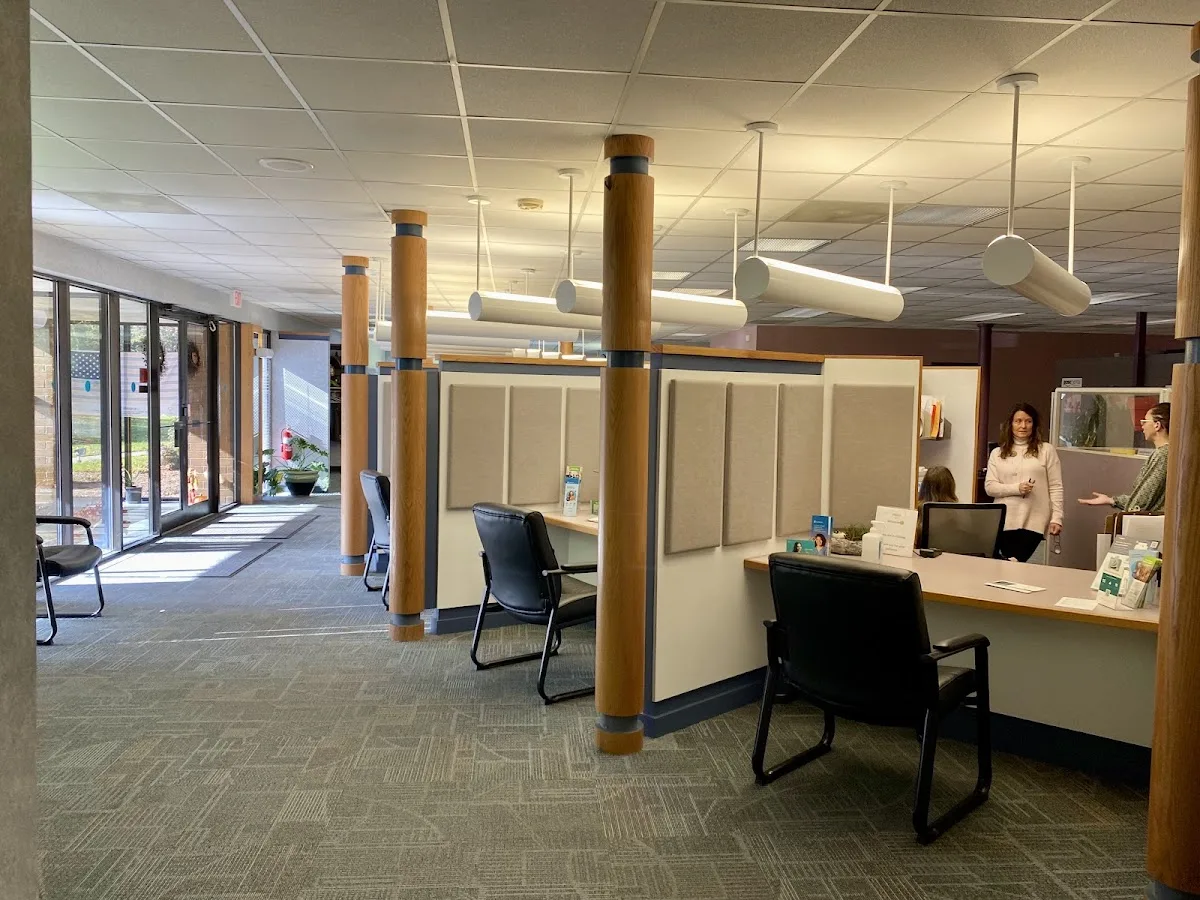
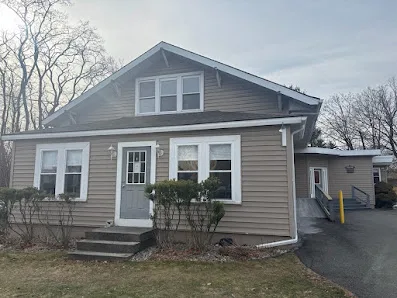
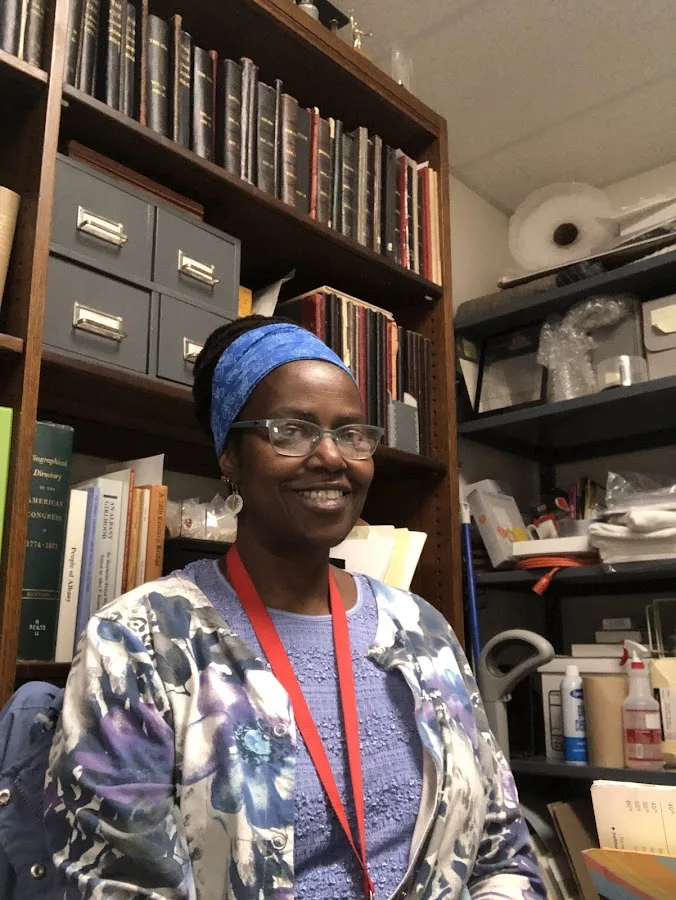
Choosing a dentist for cosmetic dentistry shouldn’t feel like navigating a sales pitch. At Advanced Dental Cosmetics in Bayside, New York, the goal of the first conversation can be much more concrete: confirm what’s included, what’s staged, and how the plan ties to your goals. With clear expectations, you’re better able to decide whether the practice’s approach fits your priorities.
Start with the basics you can verify in one call
Before you schedule or sign anything, you can confirm a few “hard” details that anchor the conversation. Advanced Dental Cosmetics lists its Bayside location at 214-02 24th Ave, Bayside, NY 11360 and a phone line at (718) 225-1119. The practice also directs patients to the official website at https://www.maytheflossbewithyou.com/, which helps you cross-check what the office publicly states about the team and services.
For a quick reality check, ask: what do new patients typically discuss first—general dental needs, cosmetic goals, or both? If the office can’t clearly explain how the visit is structured, it’s worth slowing down and requesting specifics.
Evaluate the team signal: credentials and “who does what”
A strong cosmetic dentistry practice doesn’t just say it provides cosmetic care—it clarifies which doctor will lead your plan. On the practice site, Advanced Dental Cosmetics introduces two dentists: Dr. Glenn Landau (with a stated focus including cosmetics and crown/bridge restorations, plus periodontics) and Dr. Danielle Recupero (noted for general dentistry phases including cosmetic dentistry and for being Invisalign certified).
In the consultation, this translates into a useful question: “Who will be responsible for my evaluation and for the key steps of my treatment plan?” If the practice uses a team approach, ask how responsibilities are divided and what role you can expect each provider to play.
Look for a plan that separates cosmetic goals from foundation work
Cosmetic changes often depend on the health and stability of surrounding teeth. That means a good consultation should differentiate between:
(1) foundation items that support long-term results (such as restorations or addressing oral health needs), and
(2) the aesthetic part of the plan that you’re most focused on.
If everything is described as one package without explanation, request a scope breakdown. You’re aiming to understand what the office believes must come first—and why.
Scope clarity: what is included, what is staged, and what is “estimate-dependent”
One of the most protective steps you can take is to ask for a scope map. For example, inquire whether the consultation leads to an all-in-one treatment timeline or a phased approach. If the conversation is mostly about outcomes without clear phases, ask for a step-by-step structure tied to clinical needs.
You can also ask how the office handles estimates: do they separate evaluation and diagnostic steps from restorative phases? Are there decisions that only become clear after additional evaluation? A well-run cosmetic practice should be able to explain where uncertainty exists and how it gets resolved.
Confirm communication style: how changes get documented
During treatment planning, plans evolve. Ask how the team documents changes and how you’ll be informed if adjustments are needed. Clear documentation and communication aren’t just convenience—they help prevent expectation gaps.
Use reviews as a “pattern,” not a score
Public feedback can help you understand what the practice is like from the patient perspective. Advanced Dental Cosmetics shows a publicly listed rating of 4.9 with 290 reviewers in the available data. Instead of focusing only on the number, look for recurring themes: how patients describe clarity of advice, comfort, wait times, and whether the plan feels well explained.
Then connect the pattern back to your own priorities. If you value predictability, emphasize questions that test predictability—timeline, staging, and how costs are presented and updated.
Make your final decision with a short “fit check”
By the end of the consultation, you should be able to summarize three things in your own words:
1) What the office recommends and why (including what is foundational vs. cosmetic).
2) Who is leading each key step of your plan.
3) How the scope is staged and how any estimate depends on next-step findings.
If you can’t confidently explain those points, it’s reasonable to request a follow-up or additional clarification. A good cosmetic dentistry consultation should leave you informed enough to make a decision—not pressured enough to accept one.